


No products in the cart.


Your engagement ring should make you feel excited every time you look at it—not itchy, not red, and definitely not dealing with a rash on your finger by the end of the week. Lots of people looking for engagement ring London only think about the diamond and how it looks. But they forget to ask one simple question that changes how the ring actually feels on your finger: What metal is it made of?
If you have sensitive skin, choosing the right engagement ring is really important. Some metals can cause itching, redness, or discomfort after wearing the ring for a long time. In this guide, we’ll share simple tips, jeweller insights, and doctor-backed advice to help you find a ring that
looks beautiful and feels comfortable every day.
Most people do not realise their ring is causing the problem. They blame the ring size. They try a different cleaning spray. They take the ring off for a few days, the skin calms down, they put it back on, and the whole cycle starts again. The real cause, in most cases, is nickel, a metal that is mixed into many gold alloys and cheaper ring metals to reduce cost and add strength.
Nickel is one of the most common contact allergens in the world. Skin specialists consistently recommend avoiding nickel-heavy alloys for anyone with eczema, rosacea, or general skin sensitivity, and London life makes the problem worse. The heat and sweat during daily train travel, daily hand washing, hand sanitiser, and the city’s hard water all create conditions where reactive metals break down faster against your skin.
According to skin specialists, prolonged contact with allergen metals does not stay the same over time—it worsens. What felt fine in the beginning can become a serious irritation within months.
Many buyers also wrongly assume that “gold” automatically means safe. It does not. The goldquality matters a lot, but the metals mixed with it matter too. Knowing this can help you choosea ring that feels comfortable on your skin every day.
Not every metal behaves the same way against skin. Some metals are totally harmless and will never irritate your skin. Others look safe on the surface but hide reactive alloys underneath. Here is what you actually need to know before you buy.
Platinum is naturally hypoallergenic, which means it contains no nickel or other reactive metals by design—not as a feature added on top, but as a fundamental property of the metal itself. It is dense and durable enough for daily wear in a busy city, and it never needs replating. For buyers looking for a luxury diamond ring in London that will genuinely work for sensitive skin long-term, platinum is the standard recommendation from both dermatologists and experienced jewellers.
Pure gold causes no allergic reactions on its own — the problem always comes from what it is mixed with. At 18K, the ring contains 75% pure gold, which leaves far less room for reactive alloys compared to 9K or 14K options. It works beautifully with vintage-style settings and suits
buyers who want the warmth of gold without the higher price of platinum.
It sits in the same metal family as platinum, shares its hypoallergenic properties, weighs less on the finger, and offers a safer option for sensitive skin without the high cost of platinum. If you want a premium, safe metal but need to be thoughtful about budget, palladium deserves a place in your conversation with the jeweller.
It is made from the same skin-friendly material often used in medical implants—medically certified to be safe against skin. It is extremely lightweight, highly scratch-resistant, and completely free of allergens. It suits people who live active lives and want a ring that can keep
up without causing irritation.
The right metal does not just prevent reactions. It means you can wear your ring through every commute, every gym session, and every London evening out—without ever having to think about it.
Here is something about the best engagement ring London. This is something experienced jewellers understand well, yet most online guides overlook it. White gold can still trigger allergies, even though it looks exactly like platinum.
White gold gets its silver colour from rhodium plating—a thin coat applied over the base metal. The issue is that many white gold alloys contain nickel underneath that plating. Rhodium looks perfect when the ring is new. But rhodium wears off. It happens gradually, through daily wear, hand washing, and contact with products, and it exposes whatever reactive metal sits beneath it.
If your ring felt comfortable at first but later started causing itching or irritation, the metal mix could be the reason. Before buying, ask your jeweller exactly what metals are mixed into the white gold. If they cannot give you a clear answer, it is something you should take seriously.
Metals that are most likely to cause problems are cheap mixed-metal rings with unknown alloy compositions, low-karat gold below 14K, and fashion jewellery sold online using words like “luxury” or “premium” without any certification.
A simple rule that works: if the jeweller cannot explain the exact alloy composition of the ring you are considering, walk away. Good London jewellers who sell the best engagement rings are trustworthy. They’ll always tell you what metal you’re getting and give you a purity certificate on request. If they hesitate or give unclear answers, that says a lot.
UK jewellery regulations allow trace amounts of nickel in certain items, so don’t assume a ring is safe simply because it’s sold by a reputable jeweller. Inquire directly. Ask for the certification. It only takes a moment and can prevent years of discomfort.
“A buyer who asks about alloy composition is a buyer who knows what they want—and any jeweller worth trusting will have that answer ready.”
Choosing the right metal is the most important step, but the design of the ring also affects how your skin responds to wearing it every day.
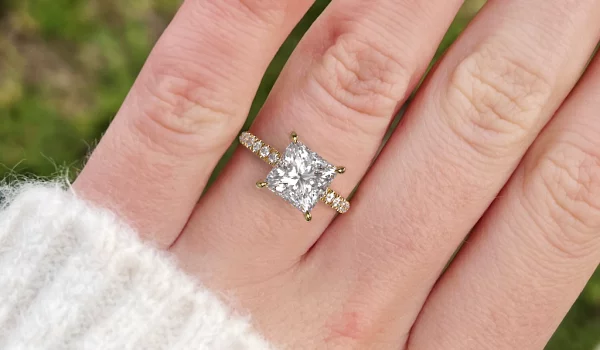
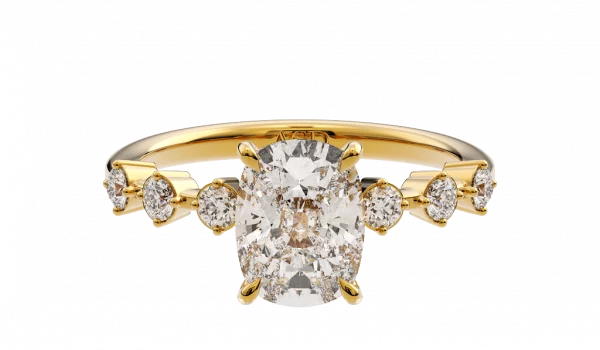
Fancy vintage rings can look amazing, but their tiny hidden gaps trap dirt and soap much faster than simple or open designs. For sensitive skin, that build-up becomes a source of irritation even when the metal itself is completely safe.
This does not mean you have to choose a plain ring. It simply means you may need to clean the ring more often if you prefer a detailed or more stylish design.
Most guides end at the point of purchase. They tell you which ring to buy and stop there. But what happens after you buy the ring matters just as much for keeping your skin comfortable.
Harsh jewellery cleaners damage protective metal surfaces over time. If Alcohol-heavy hand sanitisers get stuck under the ring, they stay on your skin for a long time and can cause irritation. Soap residue that builds up in the gap between the ring and your finger causes reactions that look like metal allergies but are not. The fix is straightforward: clean your ring gently once a week using mild soap and lukewarm water, dry it fully, and put it back on.
Remove your ring before gym sessions, before swimming, and before any heavy cleaning at home. These small habits, done consistently, protect both the ring and your skin over the long term.
Most skin reactions we see are not caused by the metal — they are caused by what gets trapped underneath it. A clean ring and a simple routine make all the difference.
When you are searching for engagement ring London, jewellers offer products for sensitive skin; a short checklist makes the whole process easier.
The diamond, the cut, the setting — all of it matters. But a ring that irritates your skin is a ring you will quietly stop wearing. Choosing the right metal from the start helps you avoid these problems later. Browse engagement rings at A Star Diamonds, where the team walks you
through every hypoallergenic option, so your ring feels just as good as it looks—every single day.
There is something quietly powerful about a platinum engagement ring. It carries a weight, both literal
Choosing a ring for the person you plan to spend your life with is one of the most meaningful decisions
There is a particular kind of joy that comes with choosing an engagement ring, a mix of excitement, nerves,
If you have started searching for a gold diamond ring Hatton Garden has become the obvious place to look,
There is a moment, somewhere between the proposal and the ceremony, when most couples realise their wedding
There is a particular kind of quiet that settles over Hatton Garden in the early morning, just before


Leave a comment